Salvadoran food includes stuffed pupusas, tamales wrapped in banana leaves, hearty soups and sweet cheese cake. Corn, beans, plantain and yuca feature in many dishes, alongside fresh cheeses, meats and tangy accompaniments such as curtido.
These 26 traditional Salvadoran foods introduce the country’s everyday meals, street snacks, drinks and desserts. Whether you are browsing a restaurant menu or curious about food from El Salvador, they offer a starting point for deciding what to try.
What Gives Salvadoran Food Its Character?
Corn appears in several forms. Fresh corn brings sweetness to riguas and atol, while masa, a prepared corn dough, forms the outside of pupusas and many tamales. Beans are served as fillings, accompaniments and mixed with rice in casamiento.
Cheese and crema, a cultured cream, add richness to savoury dishes. Curtido and tomato salsa provide a sharper contrast, particularly alongside pupusas and fried snacks. Plantain appears in sweet empanadas, while yuca, also known as cassava, provides a mild, starchy base for a plate of pork and vegetables.
A Brief Background to Salvadoran Food
Maize has a longstanding place in the region’s food traditions. Salvadoran meals also draw on rice, bread, dairy, meat and local fruit, with dishes such as tamales and rice with beans sharing connections with neighbouring Central American cuisines.
Certain foods have close associations with celebrations. Torrejas and nuégados served with syrup feature during Holy Week, while turkey dishes appear at Christmas. Alongside these festive foods are everyday breakfasts, soups, sandwiches and snacks.
Traditional Salvadoran Dishes, Snacks and Drinks
Elote Loco (Crazy Corn)
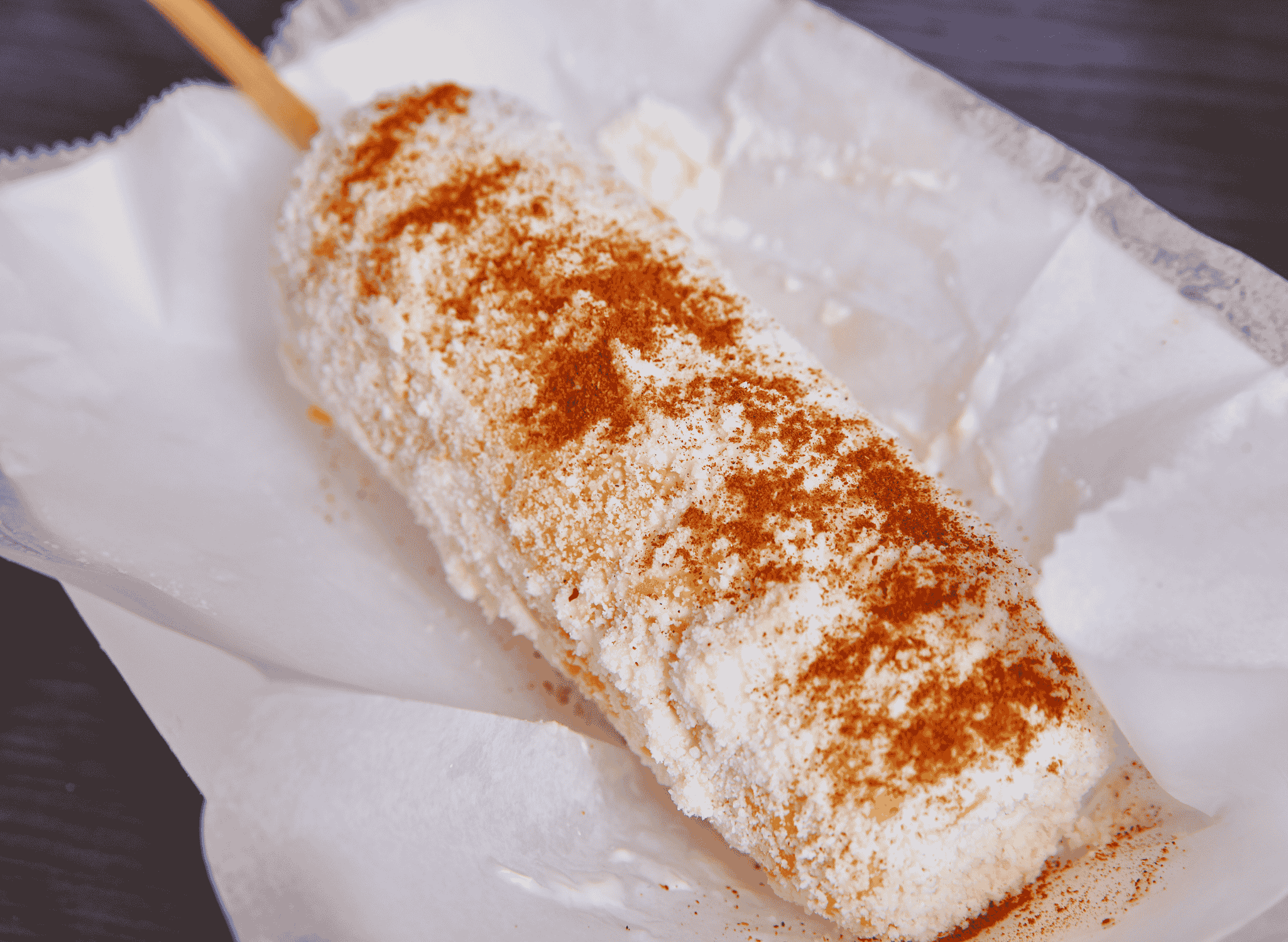
Corn on the cobis boiled or grilled, then covered with sauces and grated cheese to make eloteloco. Mayonnaise, ketchup, mustard and dark savoury sauce create a sweet, tangycoating over the corn. It is a street snack best enjoyed with plenty ofnapkins.
Get The Recipe Torrejas (Bread Pudding)
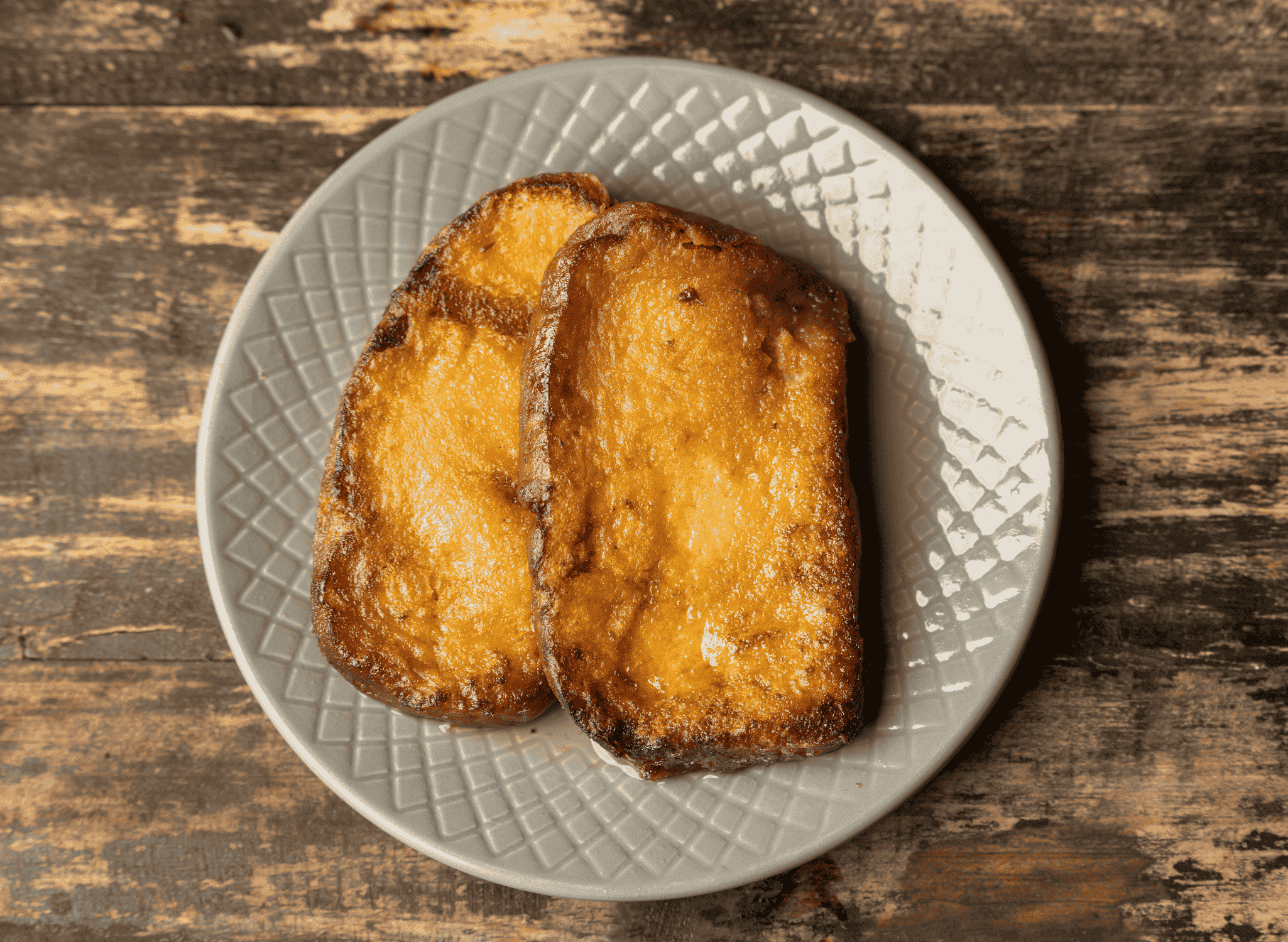
Torrejas areslices of bread coated with egg, fried and served in sweet syrup. Panela, anunrefined cane sugar, gives the syrup a deeper flavour, while cinnamon addswarmth. The bread becomes soft and syrup soaked, making this a rich dessertassociated with Holy Week.
Get The Recipe Empanadas de Plátano (Plantain Empanadas)
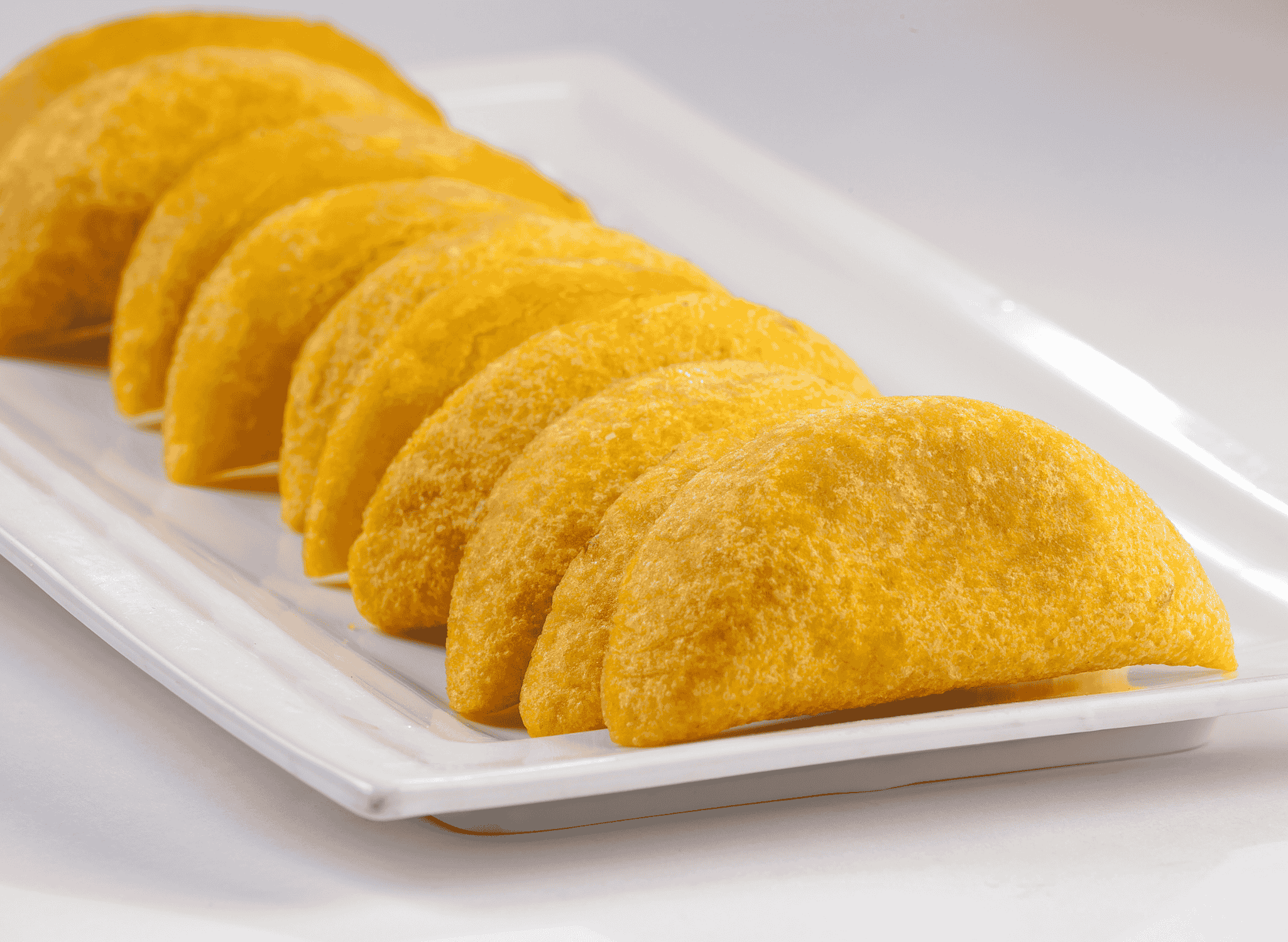
Cooked ripeplantain forms the outside of these sweet empanadas, enclosing a filling ofmilk custard or beans. The parcels are fried and finished with sugar. Theirbrowned surface gives way to a soft centre, with the sweetness of the plantainrunning through each bite.
Get The Recipe Pupusas (Stuffed Corn Tortillas)
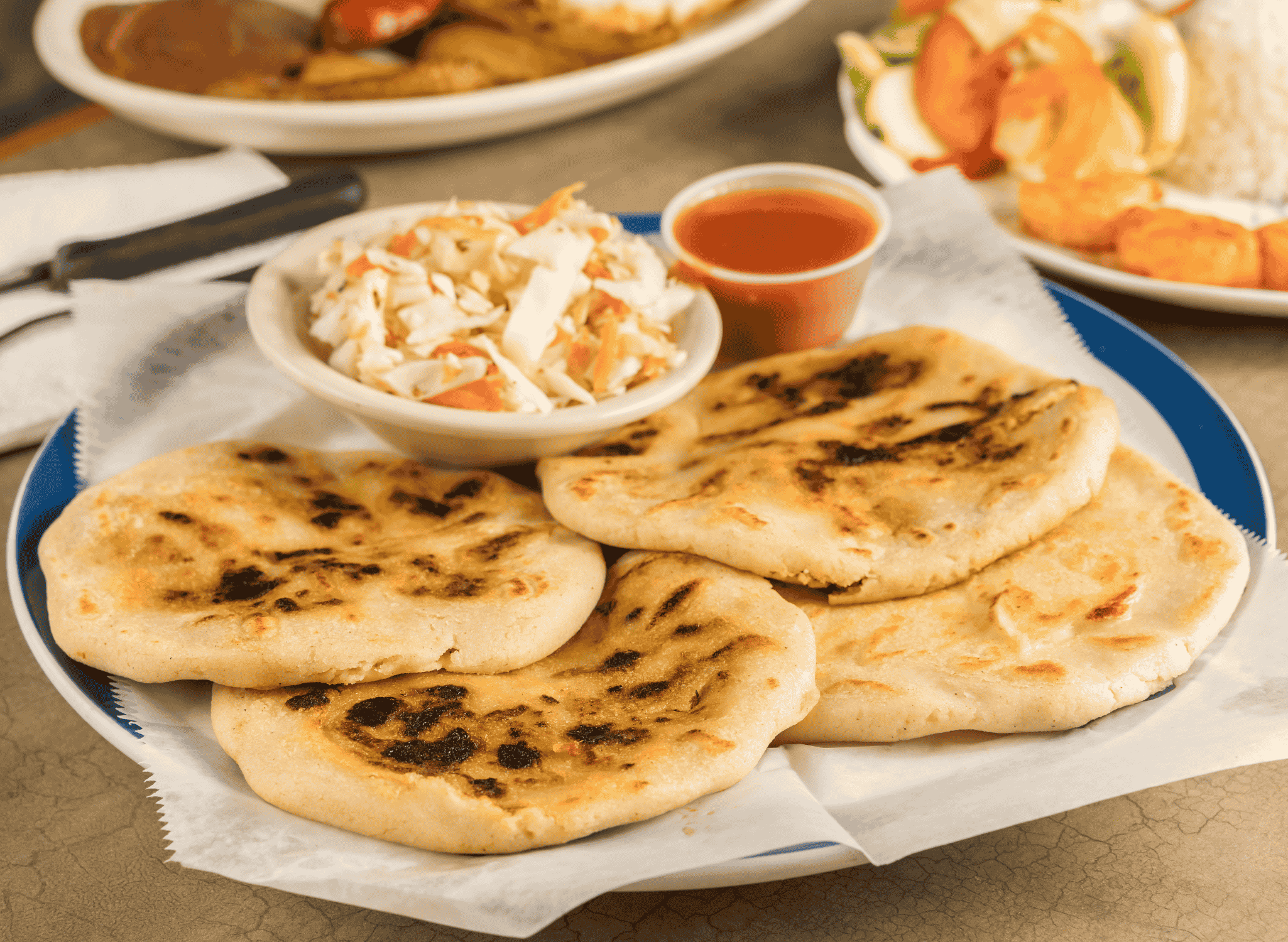
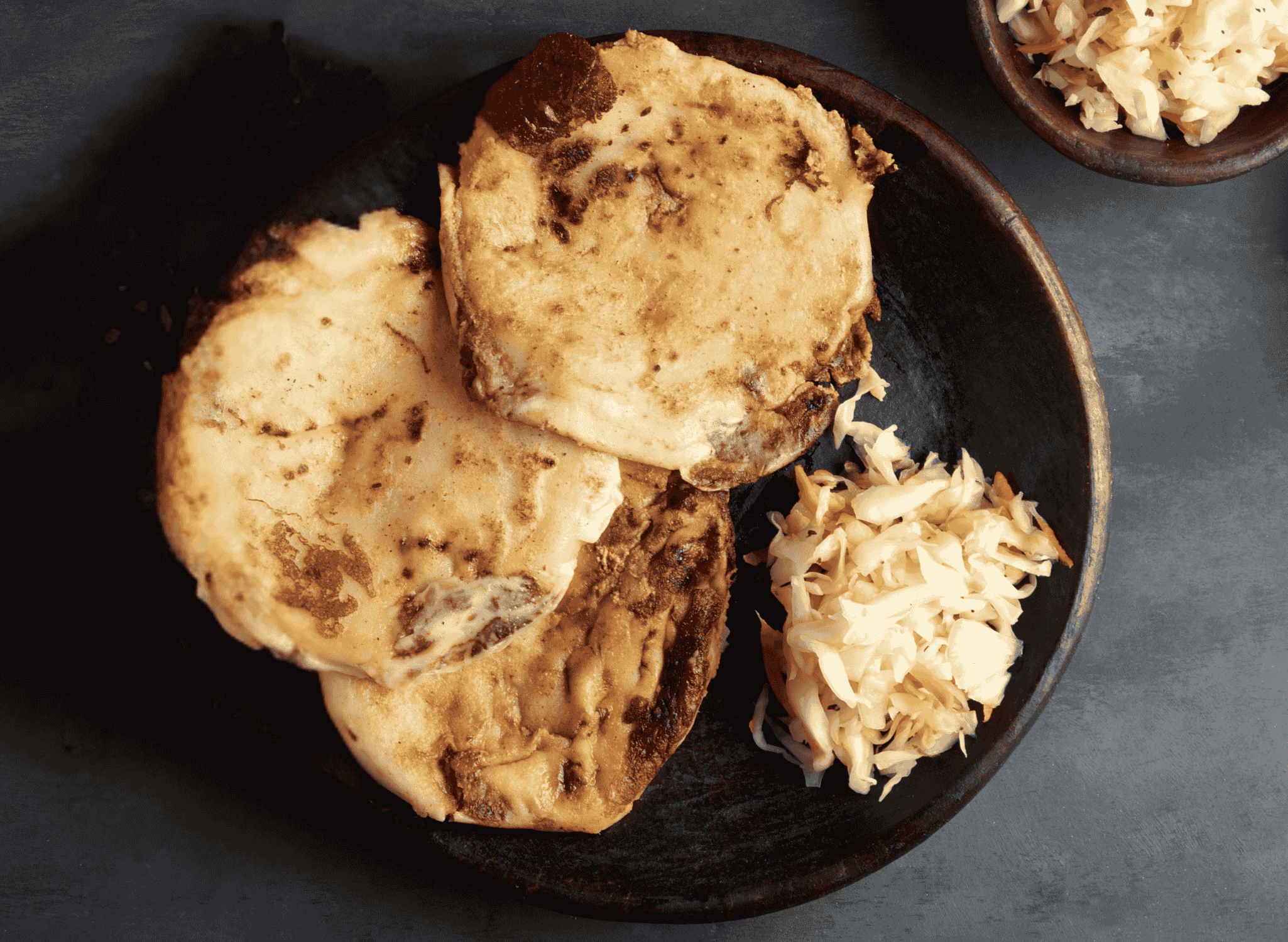
Pupusas are thickgriddled cakes made from corn masa or rice dough, with a savoury filling sealedinside. Cheese, beans and pork are familiar choices, while revueltas usuallycombine all three. Served warm with curtido and tomato salsa, they bring togethersoft dough, rich filling and tangy cabbage.
Get The Recipe Tamales Pisques (Stuffed Corn Dough)
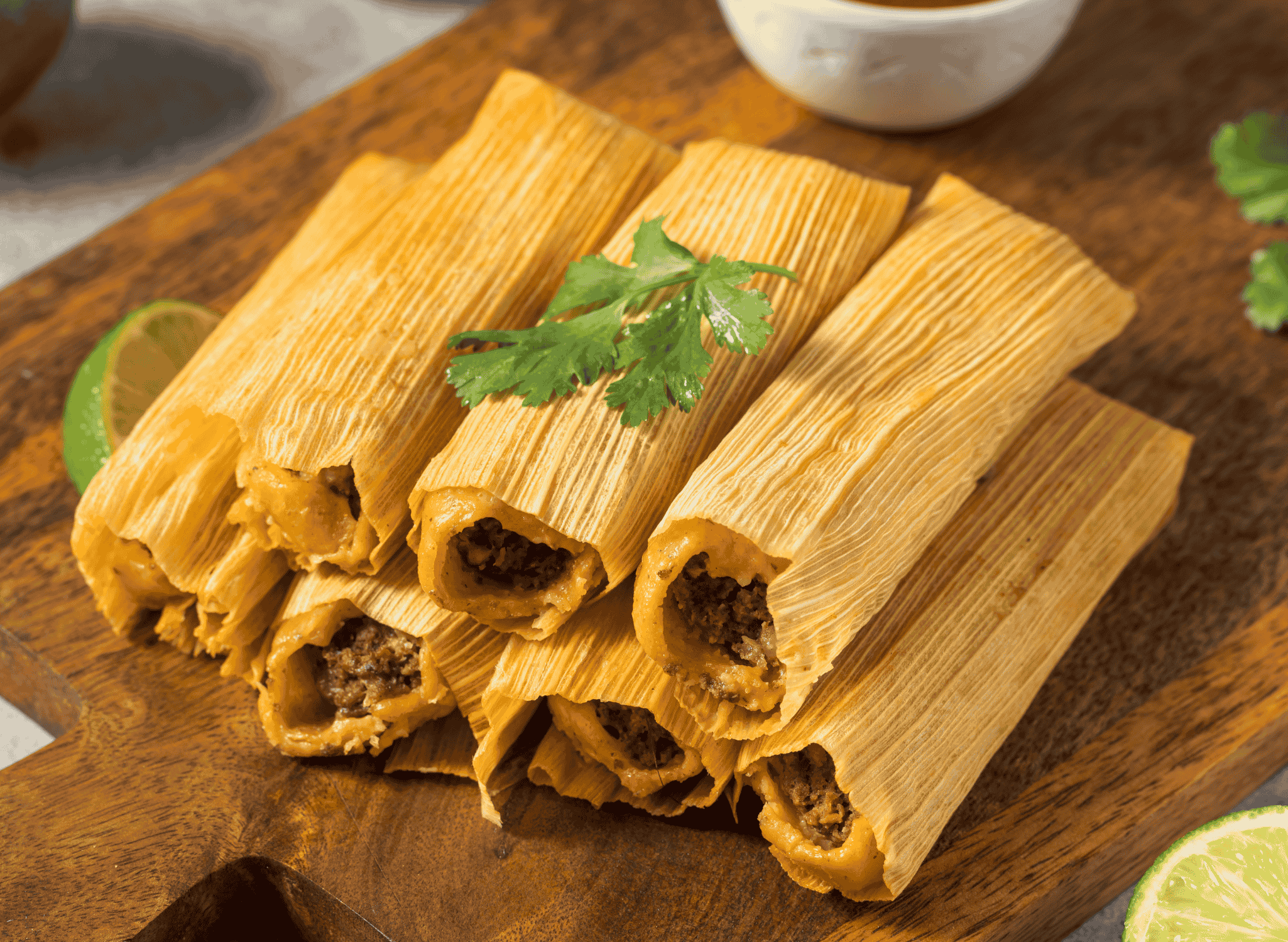
Tamales pisquesare soft corn tamales with beans, steamed in banana leaf parcels. Unwrappingthe leaf reveals the tender masa and earthy bean filling inside. Their gentlesavoury flavour makes them a different experience from crisp fried snacks suchas pastelitos.
Get The Recipe Sopa de Gallina India (Chicken Soup)
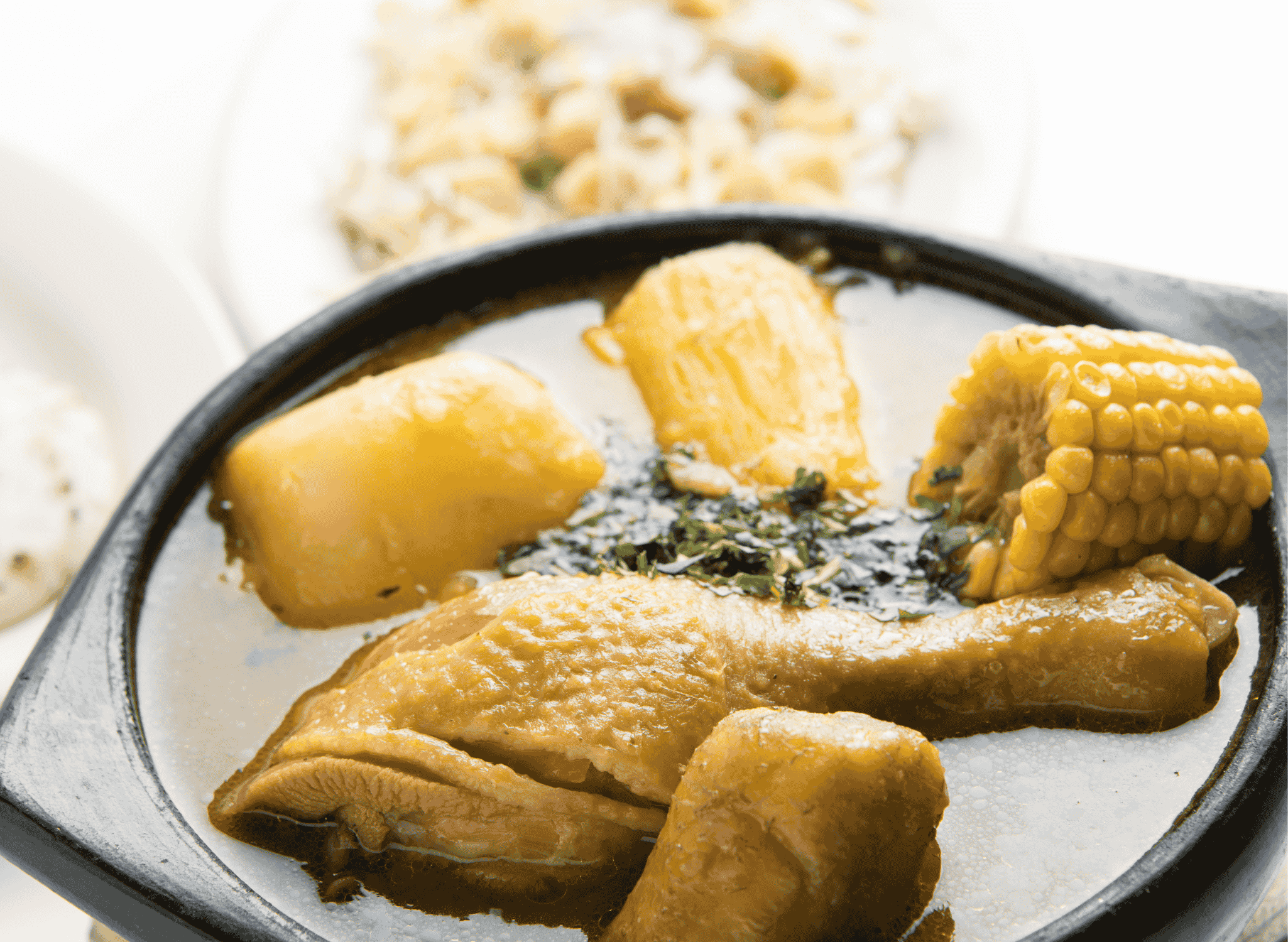
Sopa de gallinaindia is a soup made with a country hen, simmered with vegetables such assquash, carrots and potatoes. The bird gives the broth a pronounced poultryflavour. The name refers to the type of hen used, rather than an Indian styleof seasoning.
Get The Recipe Yuca con Chicharrón (Cassava with Fried Pork)
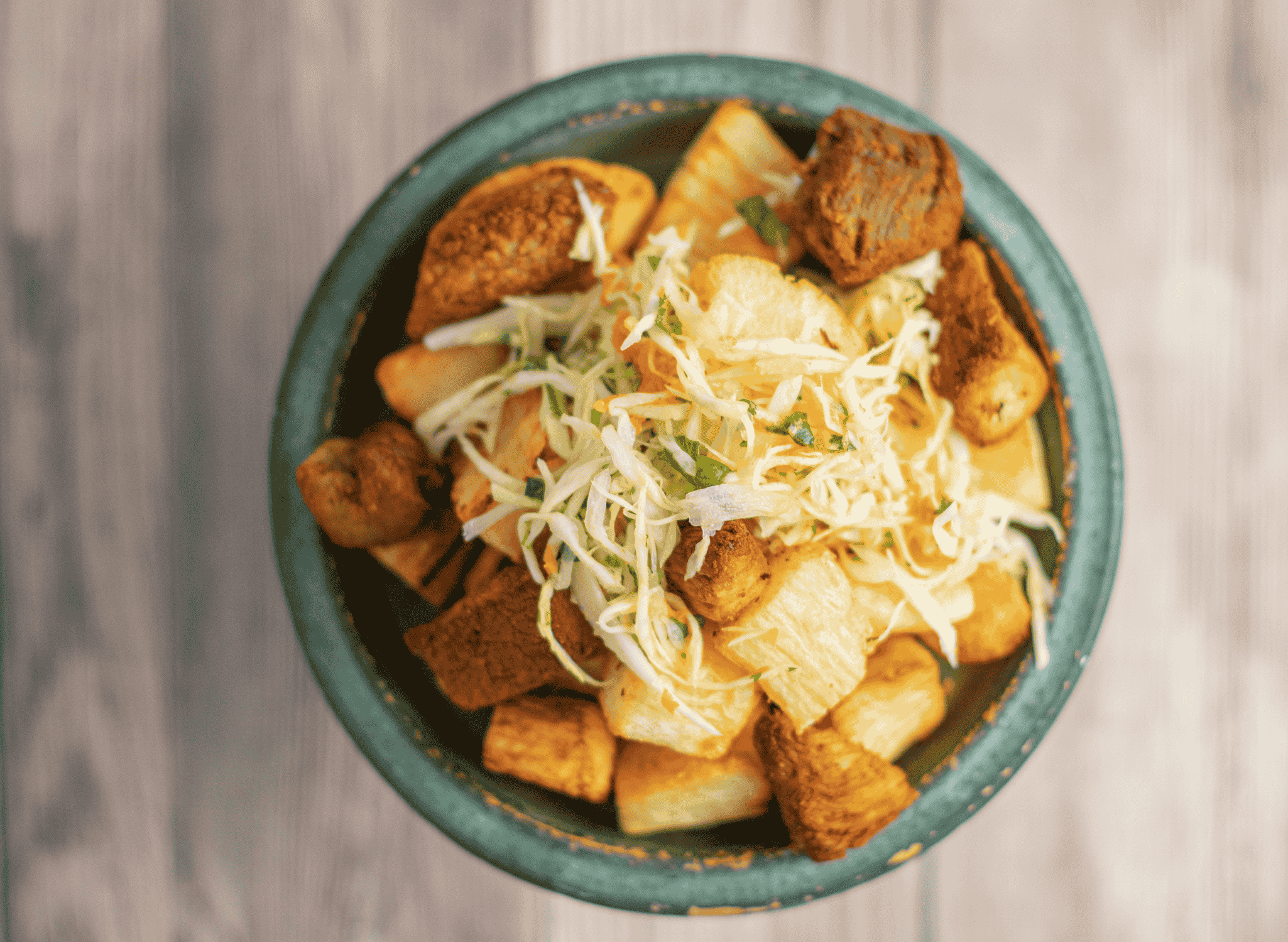
Yuca con chicharrón pairs boiled or fried cassava with pieces of fried pork. The yuca is mild and starchy, while the pork supplies richness and a contrasting texture. Curtido and tomato sauce bring acidity to the plate, balancing the heavier ingredients.
Get The Recipe Panes con Pollo (Chicken Sandwich)
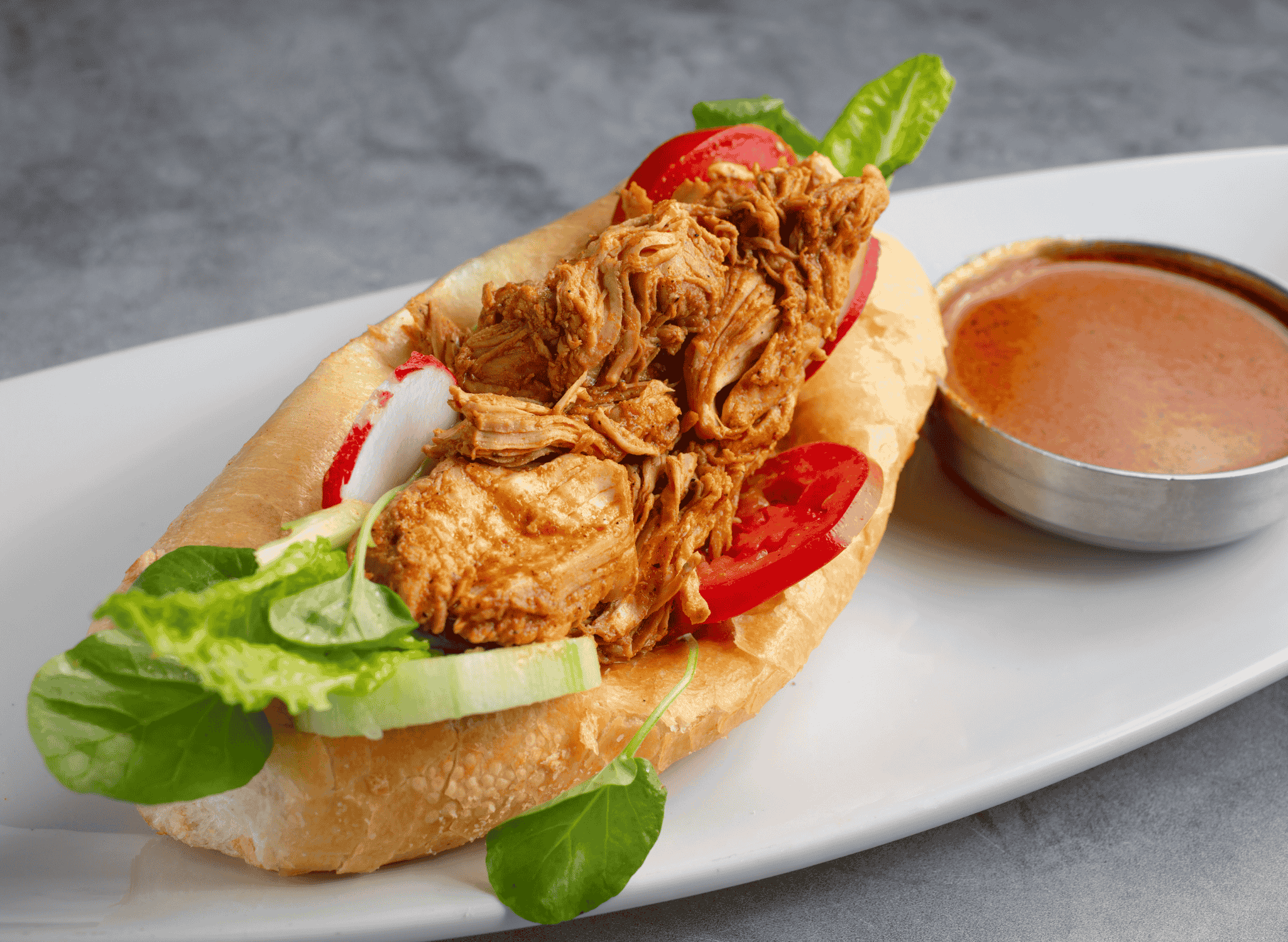
Panes con pollo are rolls filled with chicken cooked in a seasoned tomato sauce and layered with fresh vegetables. Cucumber, radish, cabbage and watercress are among the toppings you may encounter. The sauce soaks into the bread, giving the sandwich a juicy, savoury centre.
Get The Recipe Sopa de Res (Beef Soup)
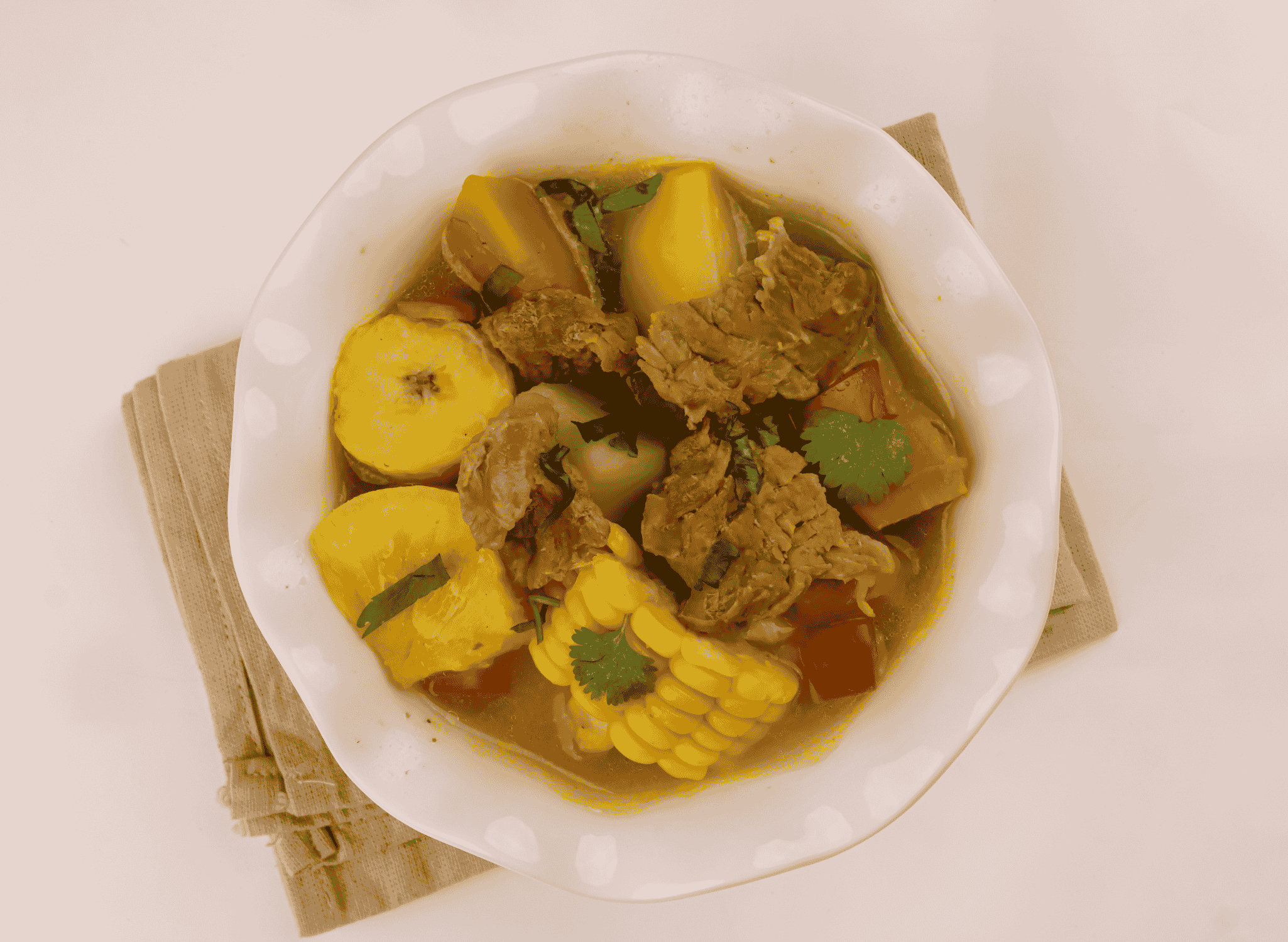
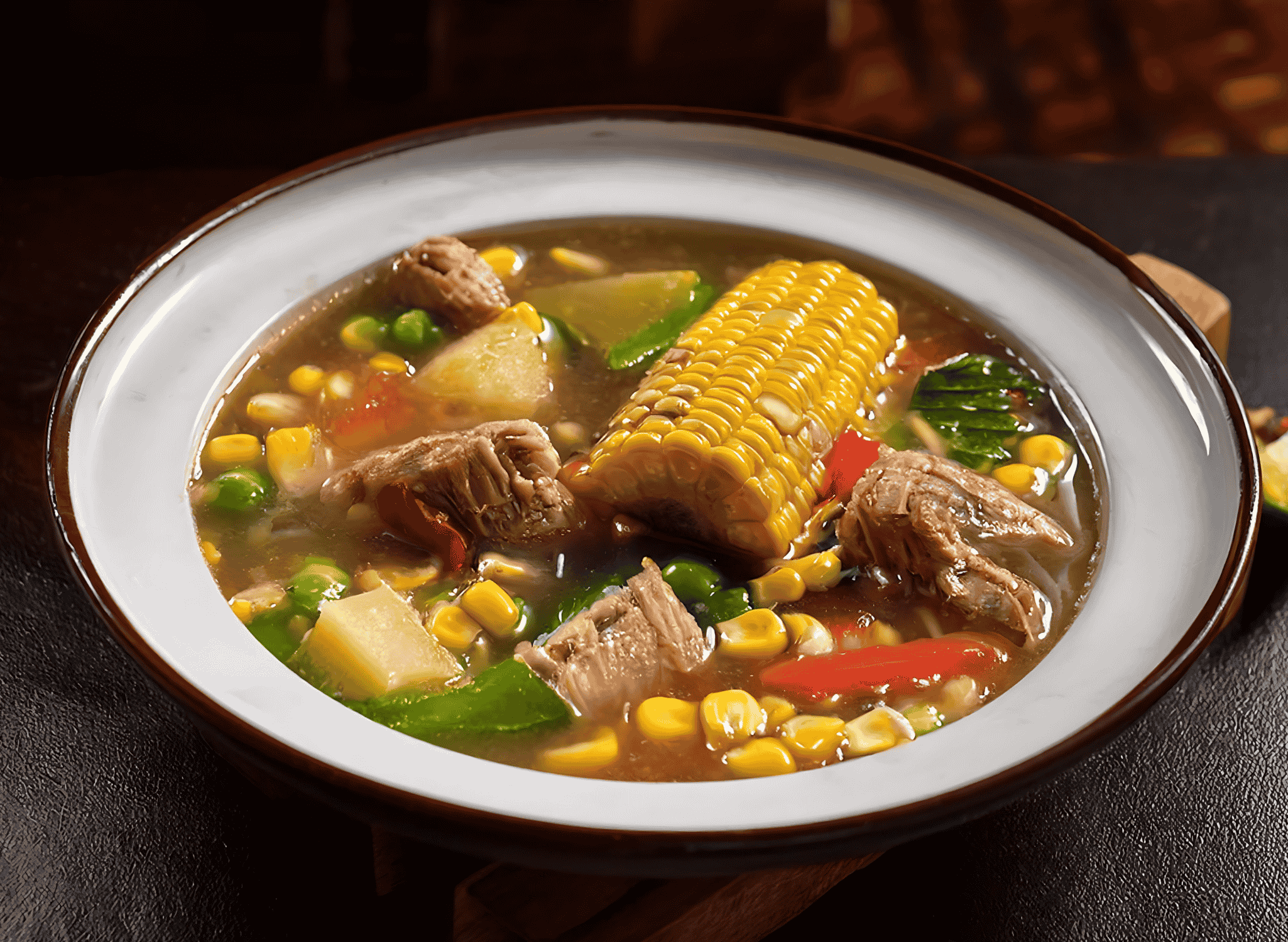
Sopa de res combines beef and vegetables in a savoury broth. Corn, cassava, carrots and cabbage are familiar additions, making a bowl substantial enough for a meal. Tender meat and soft vegetables sit alongside pieces of corn, offering several textures in the same soup.
Get The Recipe Atol de Elote (Corn Drink)
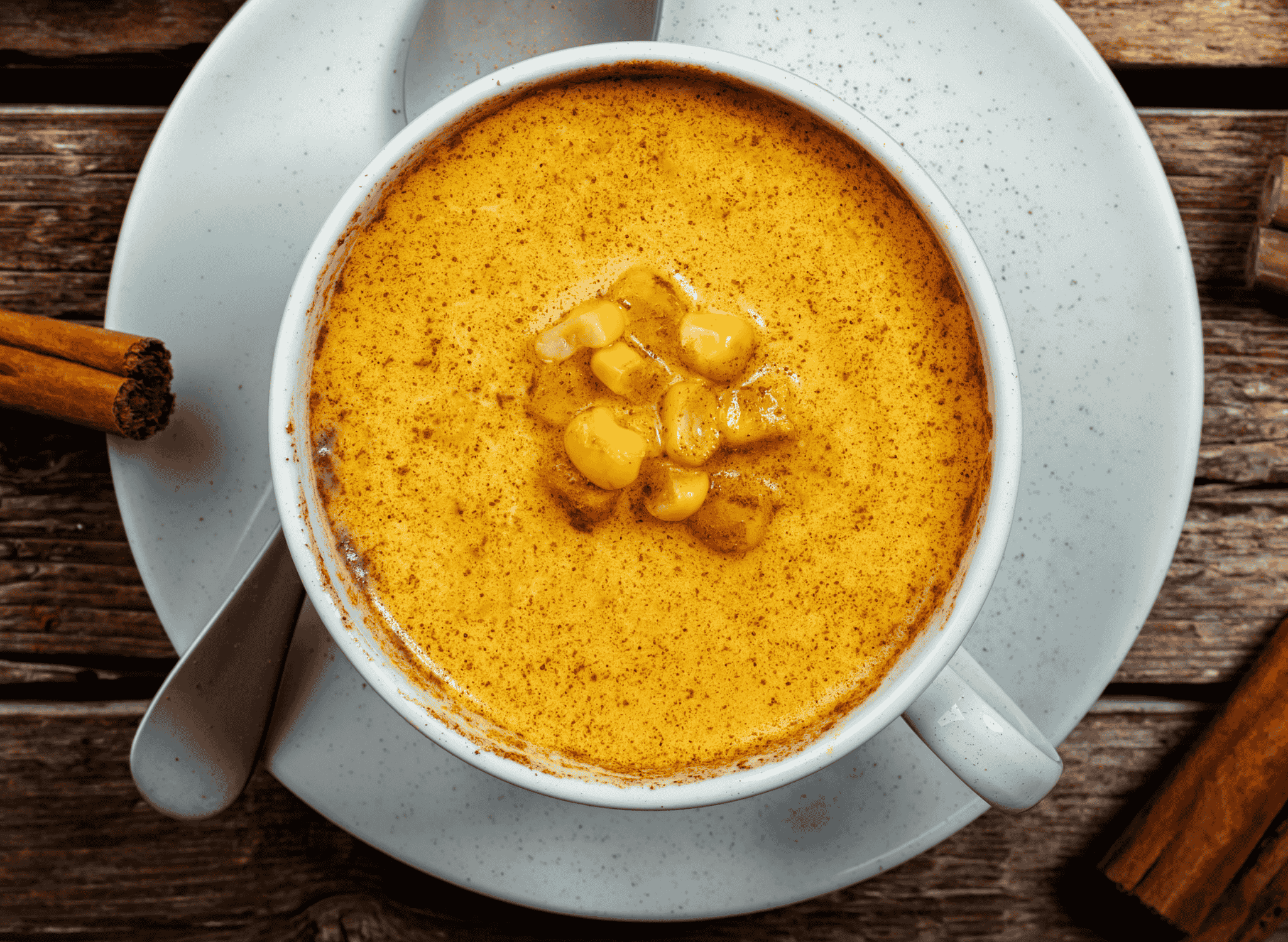
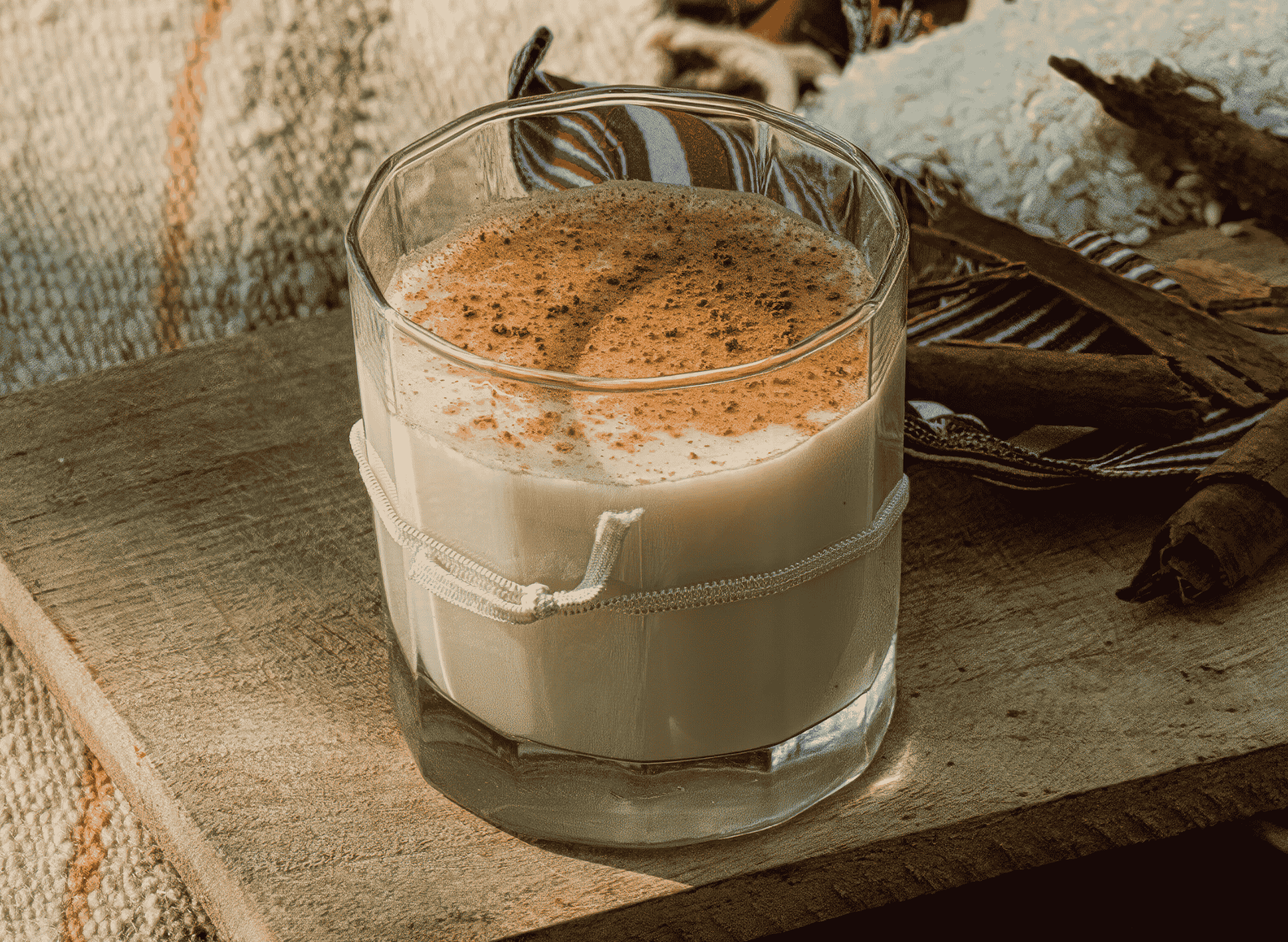
Atol de elote is a sweet, warm drink made from fresh corn. Its thick, creamy texture and corn flavour make it closer to a drinkable pudding than a thin refreshment. Sugar and cinnamon add sweetness and warmth; it can be prepared with water or with milk.
Get The Recipe Curtido (Pickled Cabbage Slaw)
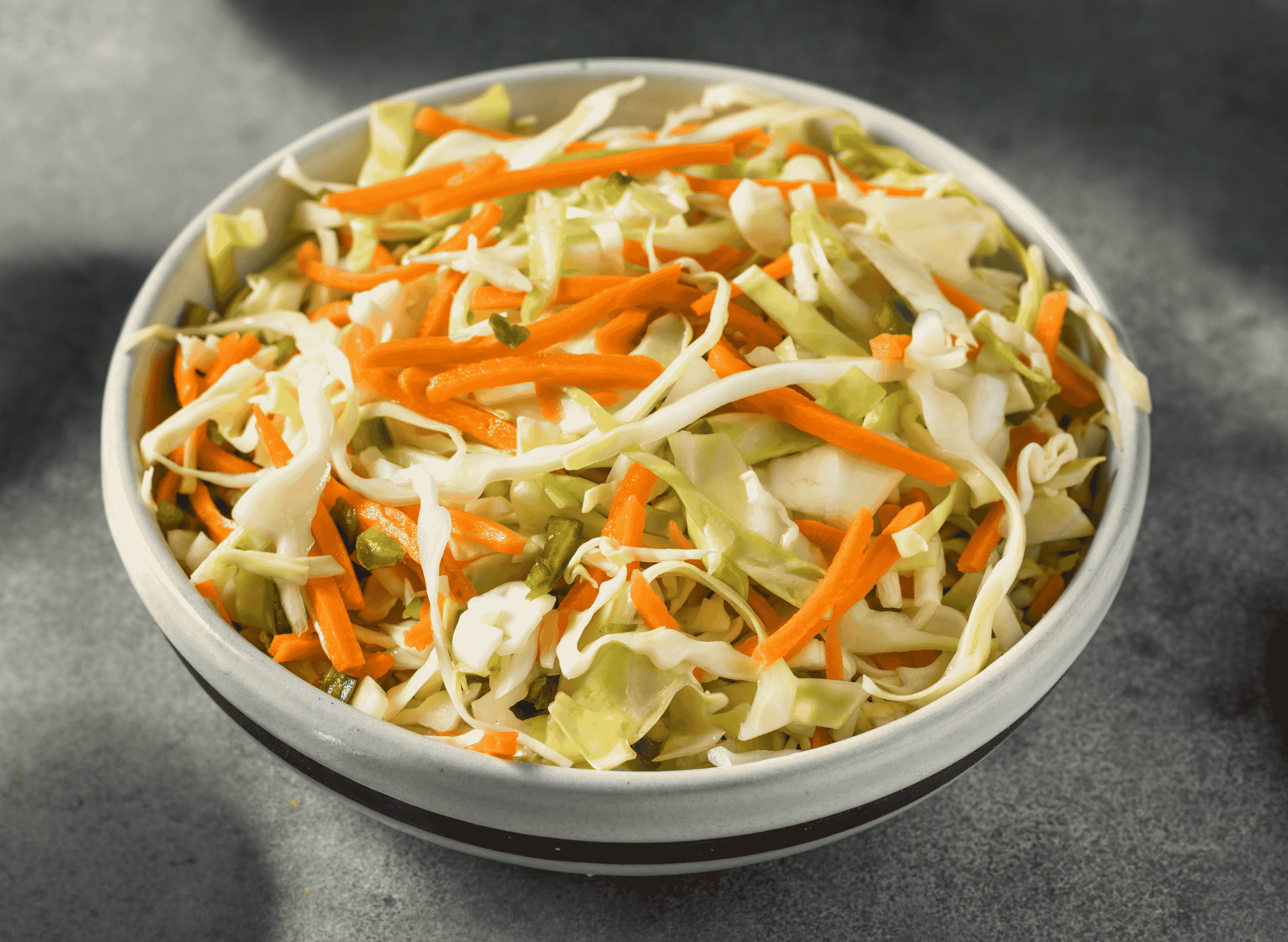
Curtido is a tangy cabbage slaw made with ingredients such as carrot, onion and oregano. Vinegar pickling or fermentation gives it its sharp flavour, and chilli can add heat. Its crunch and acidity make it a familiar accompaniment to pupusas, fried yuca and other rich savoury foods.
Get The Recipe Quesadillas Salvadoreñas (Sweet Cheese Bread)
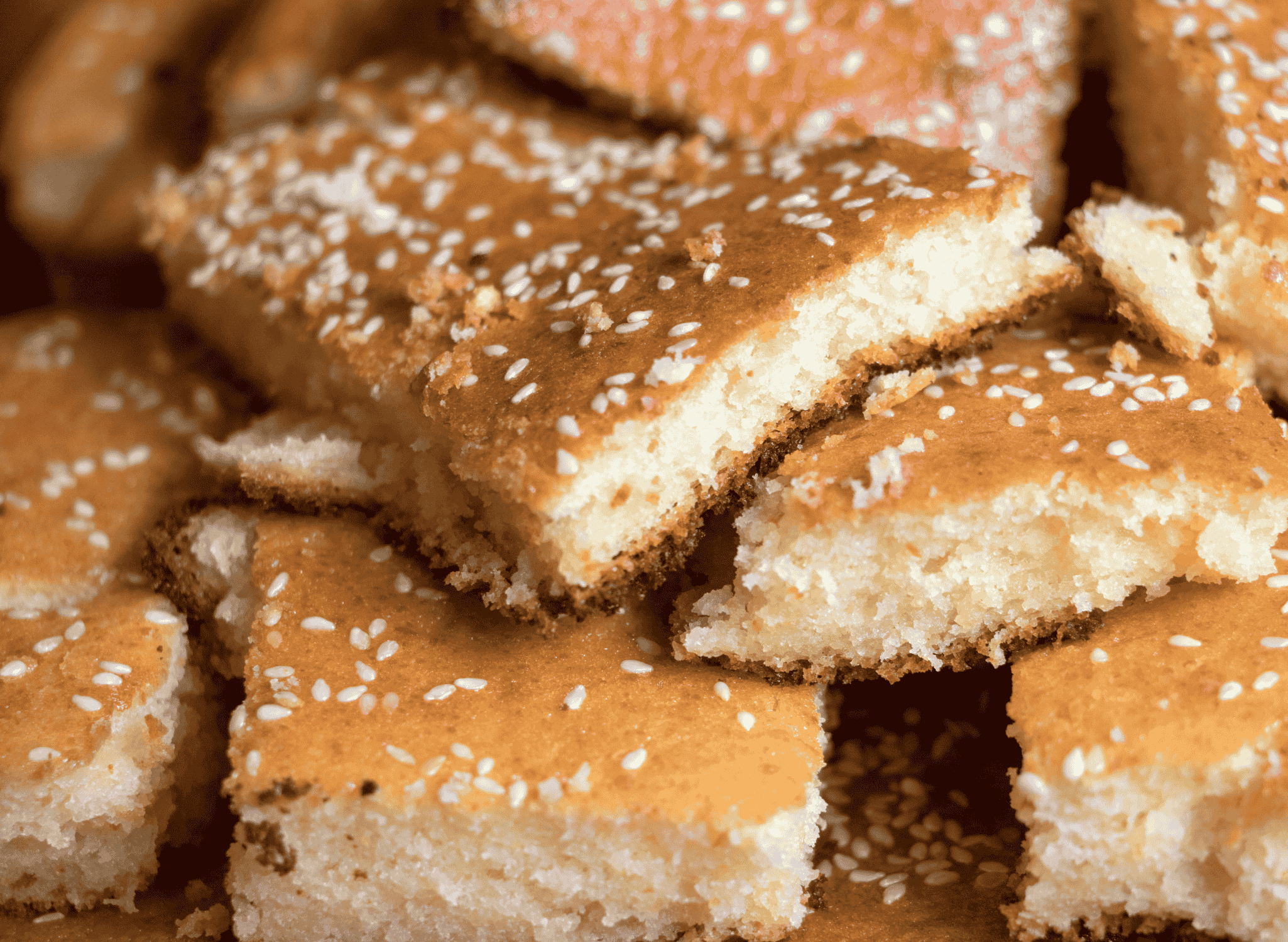
A Salvadoran quesadilla is a sweet baked cheese cake, often made with rice flour and topped with sesame seeds. Its golden crust surrounds a tender crumb, with a savoury edge from the cheese. Enjoy it with coffee as a breakfast treat or an afternoon snack.
Get The Recipe Riguas (Corn Cakes)
Riguas are flat cakes made from ground fresh corn, often cooked using banana leaves. They have a soft interior and a gentle sweetness from the corn itself. Cheese or crema served alongside adds a salty or creamy contrast without hiding that fresh corn flavour.
Get The Recipe Chorizo Salvadoreño (Salvadoran Sausage)
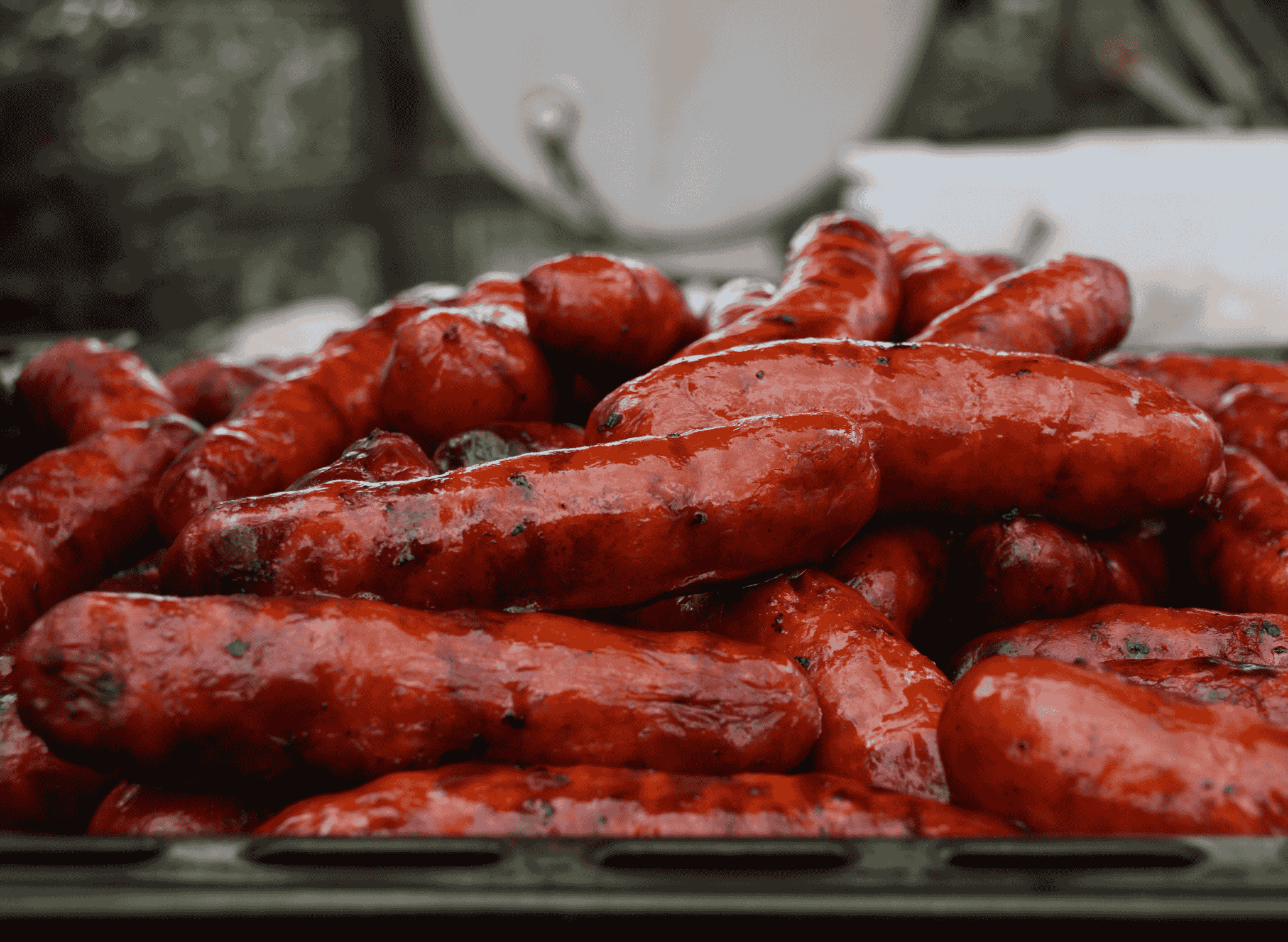
Chorizo salvadoreño is a seasoned sausage served fried or grilled. It brings a meaty, savoury flavour to plates of beans and tortillas or to a breakfast with eggs. The seasoning varies, so its flavour can differ from the smoky cured Spanish chorizo you may already know.
Get The Recipe Casamiento (Rice and Beans)
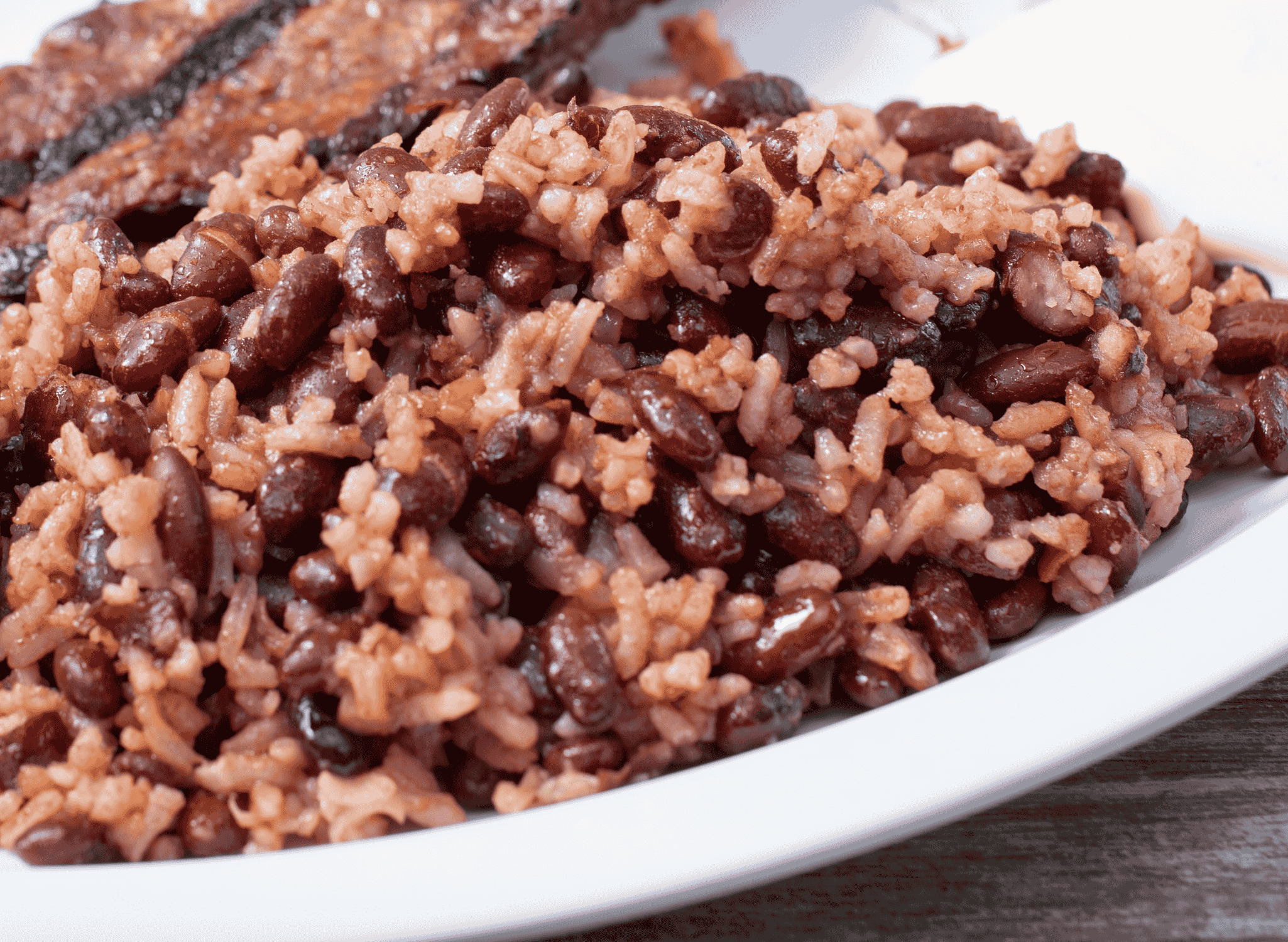
Casamiento combines cooked rice and beans, often with onion and some of the bean cooking liquid. Its name means marriage, referring to the pairing of the two staples. Served with eggs, plantain, cheese or crema, it forms part of a filling breakfast or accompanies a larger meal.
Get The Recipe Sopa de Pata (Cow’s Feet Soup)
Cow feet give sopa de pata a rich broth with a gelatinous texture, and many versions also include tripe. Corn, cassava and other vegetables add substance. This is a dish for readers who enjoy offal, with softer textures and a fuller mouthfeel than a clear beef soup.
Get The Recipe Nuegados de Yuca (Cassava Fritters)
Nuégados de yuca are fried cassava fritters served with sweet syrup, often flavoured with cinnamon or cloves. A browned exterior surrounds a softer centre, and the syrup coats each piece. You may also encounter nuégados de masa, a related version made with corn dough.
Get The Recipe Pastelitos de Carne (Meat Turnovers)
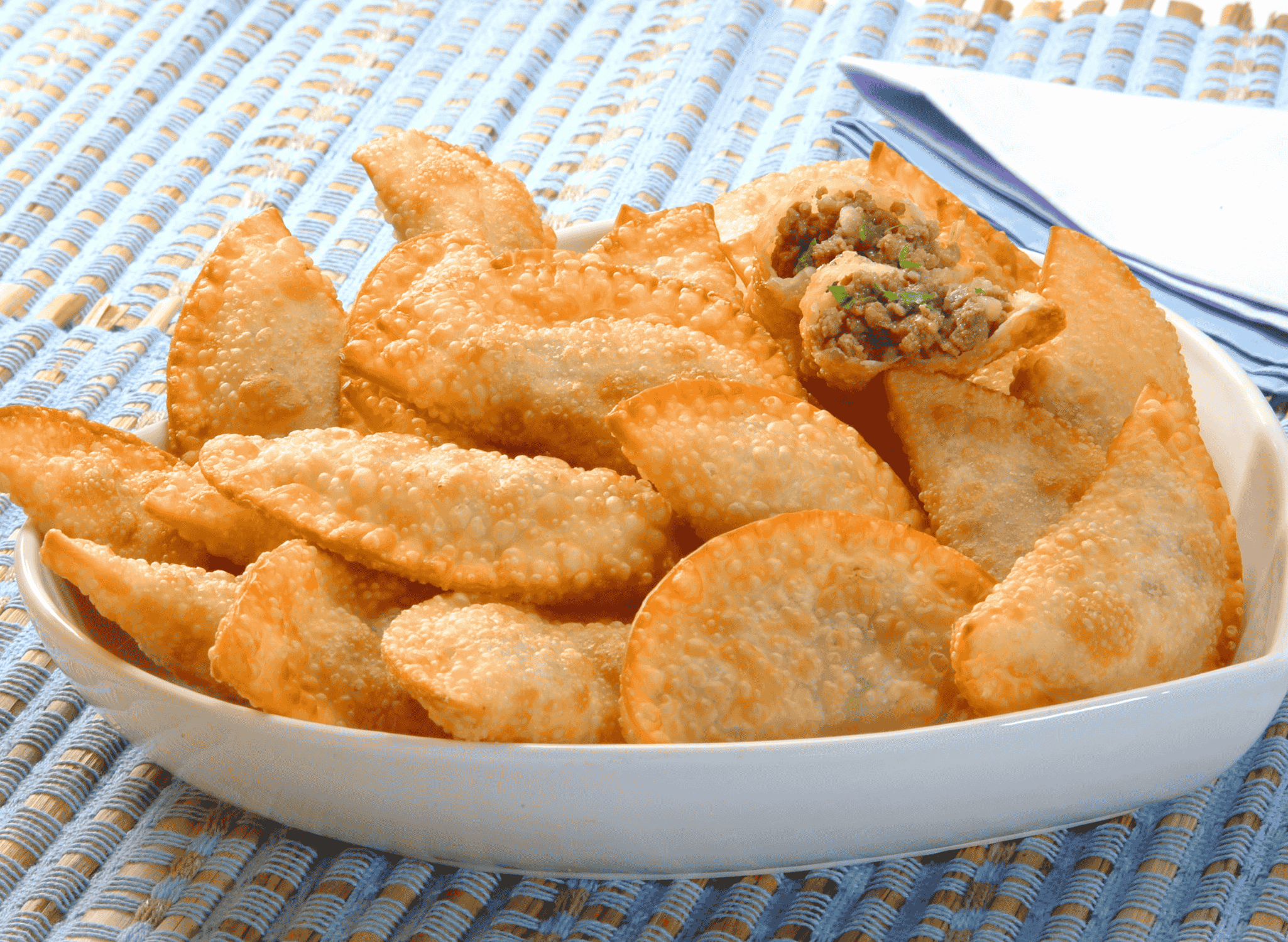
Pastelitos decarne are fried turnovers with a corn dough shell and a savoury meat filling. Vegetables and sometimes rice join the meat inside. The crisp exterior contrasts with the softer filling, while curtido served alongside adds crunch and a tangy finish.
Get The Recipe Horchata de Morro (Morro Seed Drink)
Horchata de morro is a cold, sweet drink distinguished by morro seeds. Rice, cinnamon and other ingredients join the seeds in different preparations. Its nutty flavour offers a change from fruit refreshments, and it makes a cooling accompaniment to savoury snacks or a meal.
Get The Recipe Pollo en Crema (Chicken in Cream Sauce)
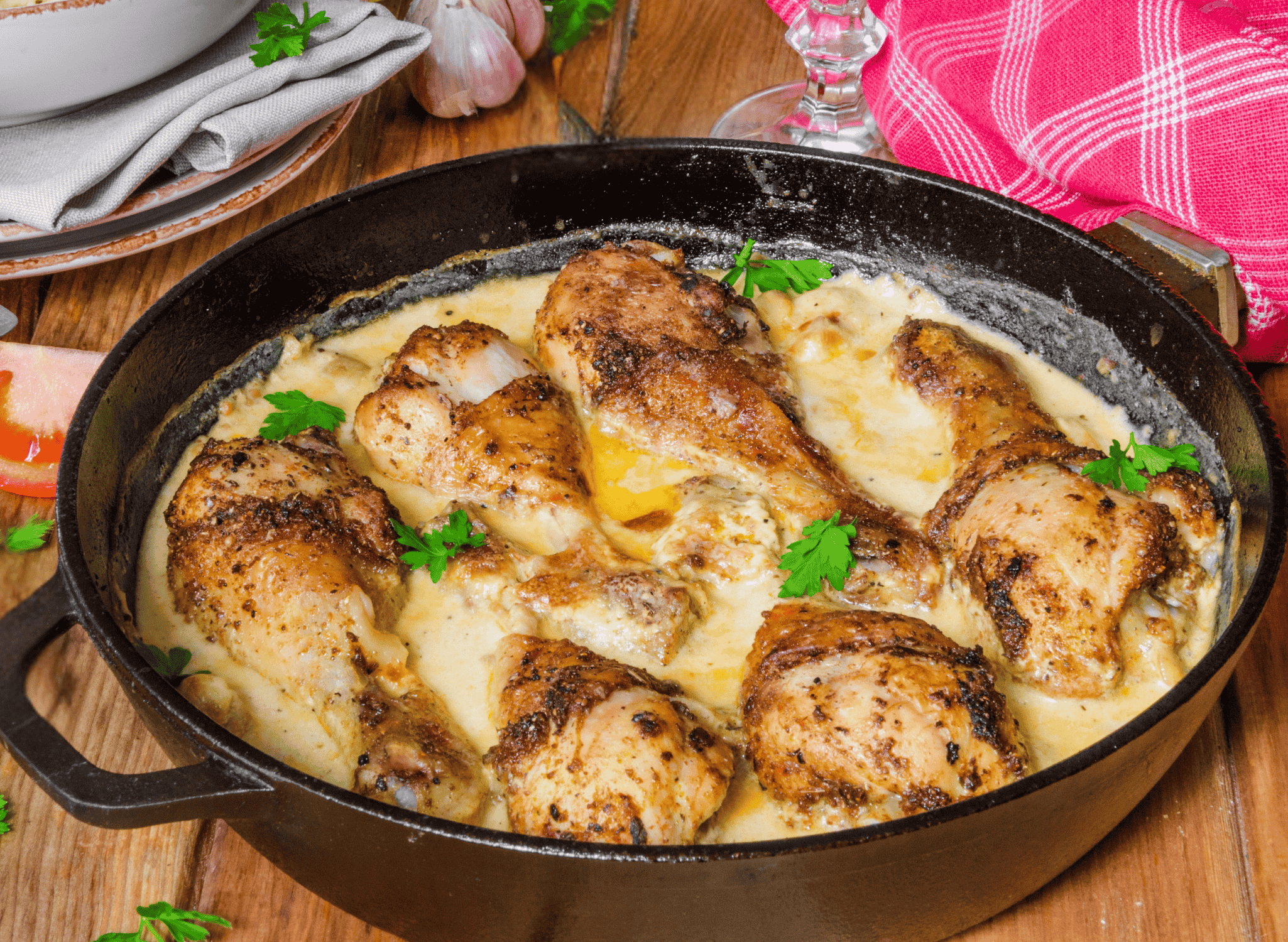
Pollo en crema brings chicken together with a creamy sauce, often including onion and peppers. The sauce gives the dish a smooth, rich character, with the vegetables adding sweetness and flavour. Rice served alongside takes up the creamy juices.
Get The Recipe Gallo en Chicha (Sweet Chicken Stew)
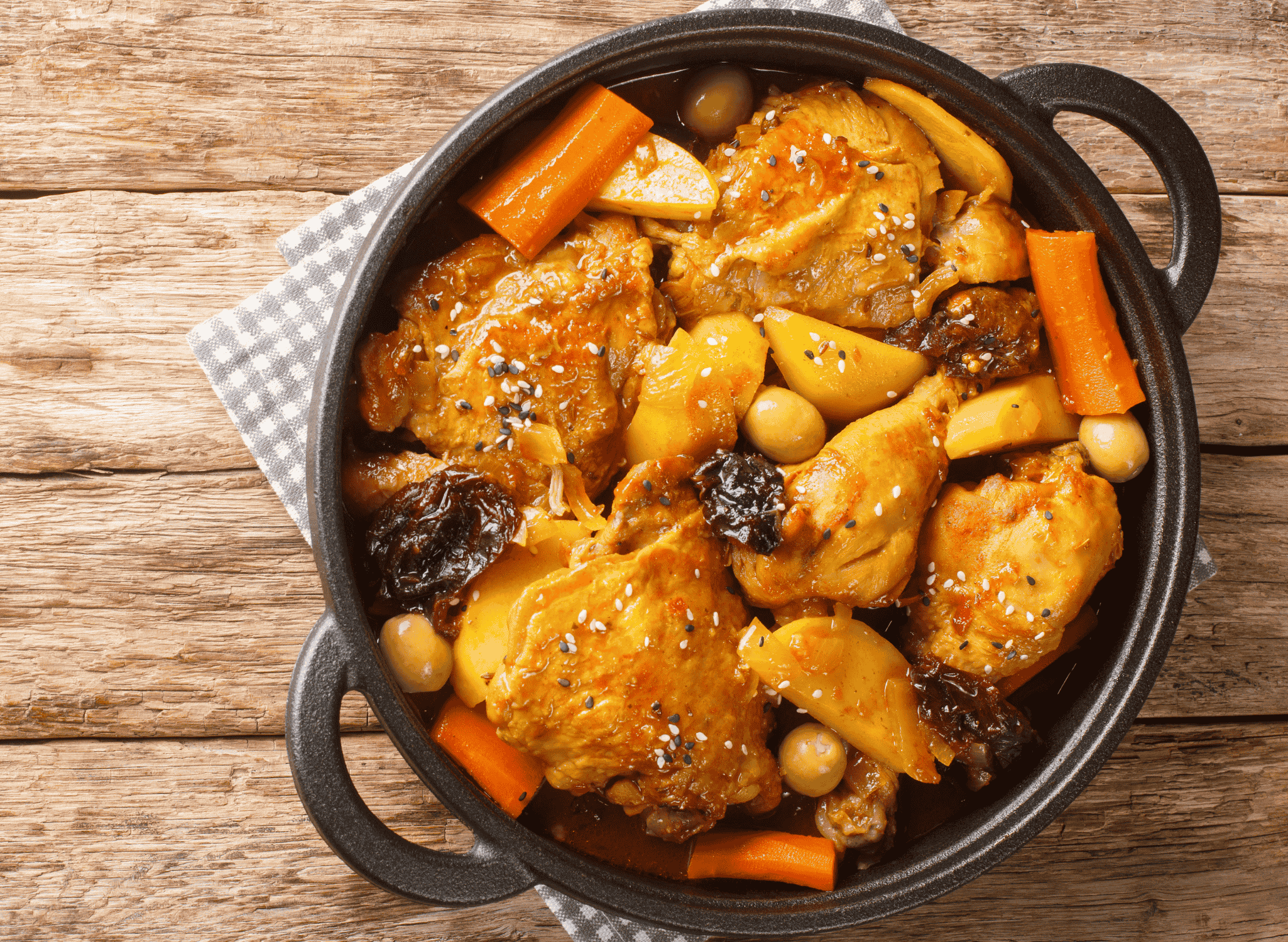
This dish features rooster slow cooked in chicha, a traditional fermented corn beverage. The sauce combines sweet and tangy flavours with spices, creating a complex and deeply satisfying dish.Historically prepared for special occasions, Gallo en Chicha is a culinary testament to El Salvador’s indigenous roots. Get The Recipe Enchiladas Salvadoreñas (Salvadoran Flat Tostadas)
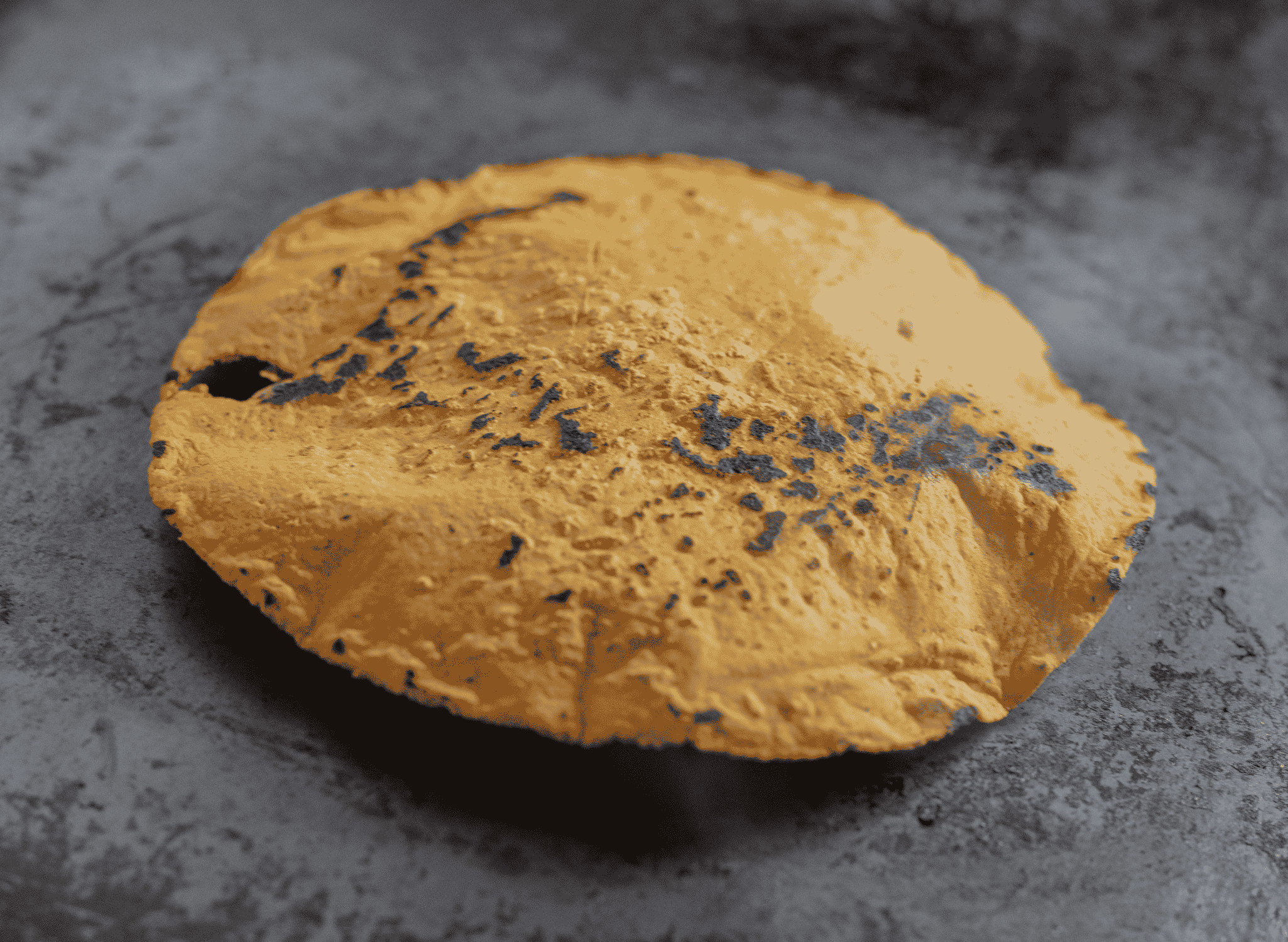
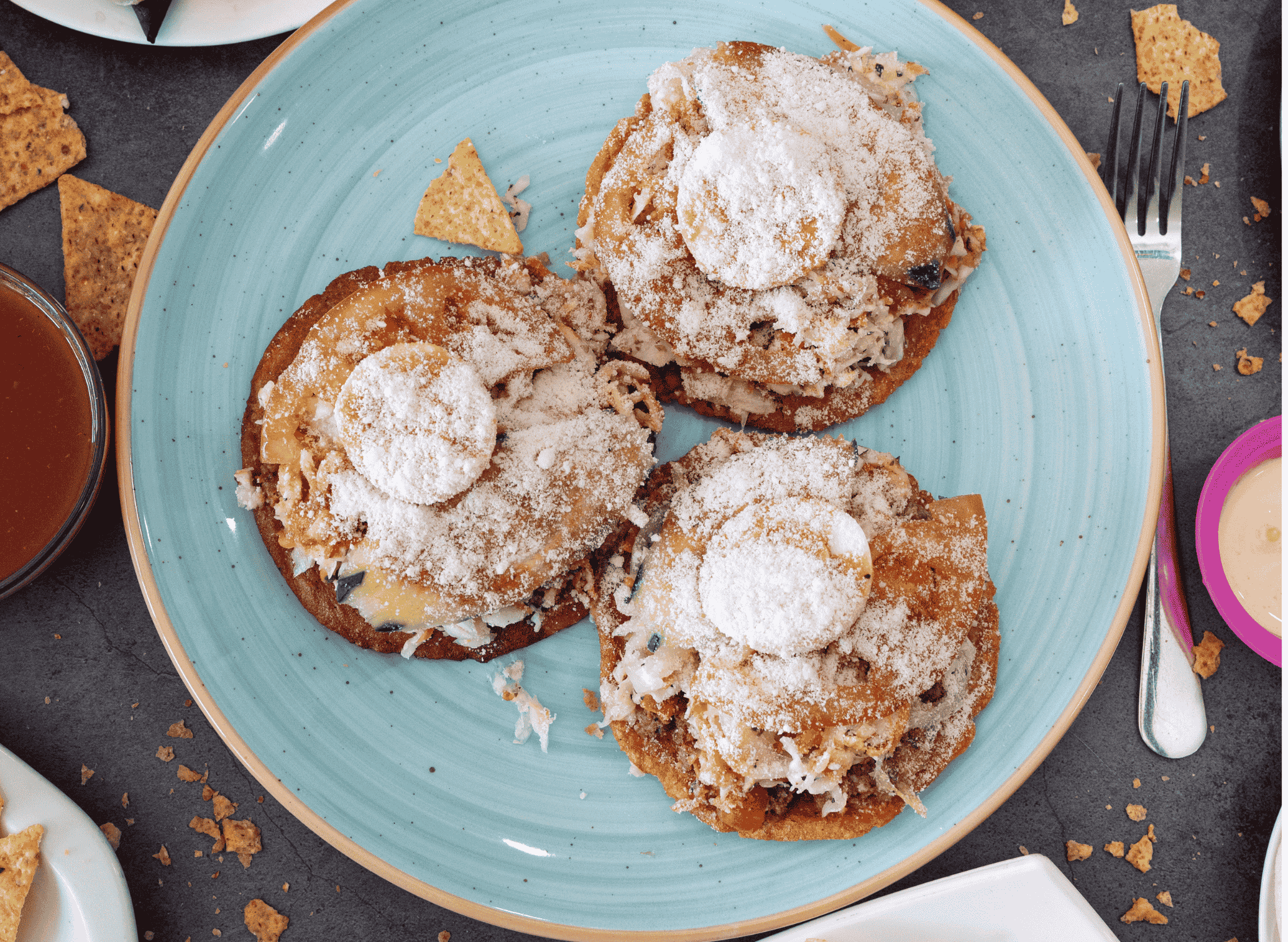
Salvadoran enchiladas are flat fried corn tortillas piled with toppings. Meat, curtido, tomato sauce, grated cheese and sliced boiled egg are familiar layers. The crisp base and generous topping make them a substantial snack, with freshness, richness and crunch in each bite.
Get The Recipe Pavo Salvadoreño (Salvadoran Style Turkey)
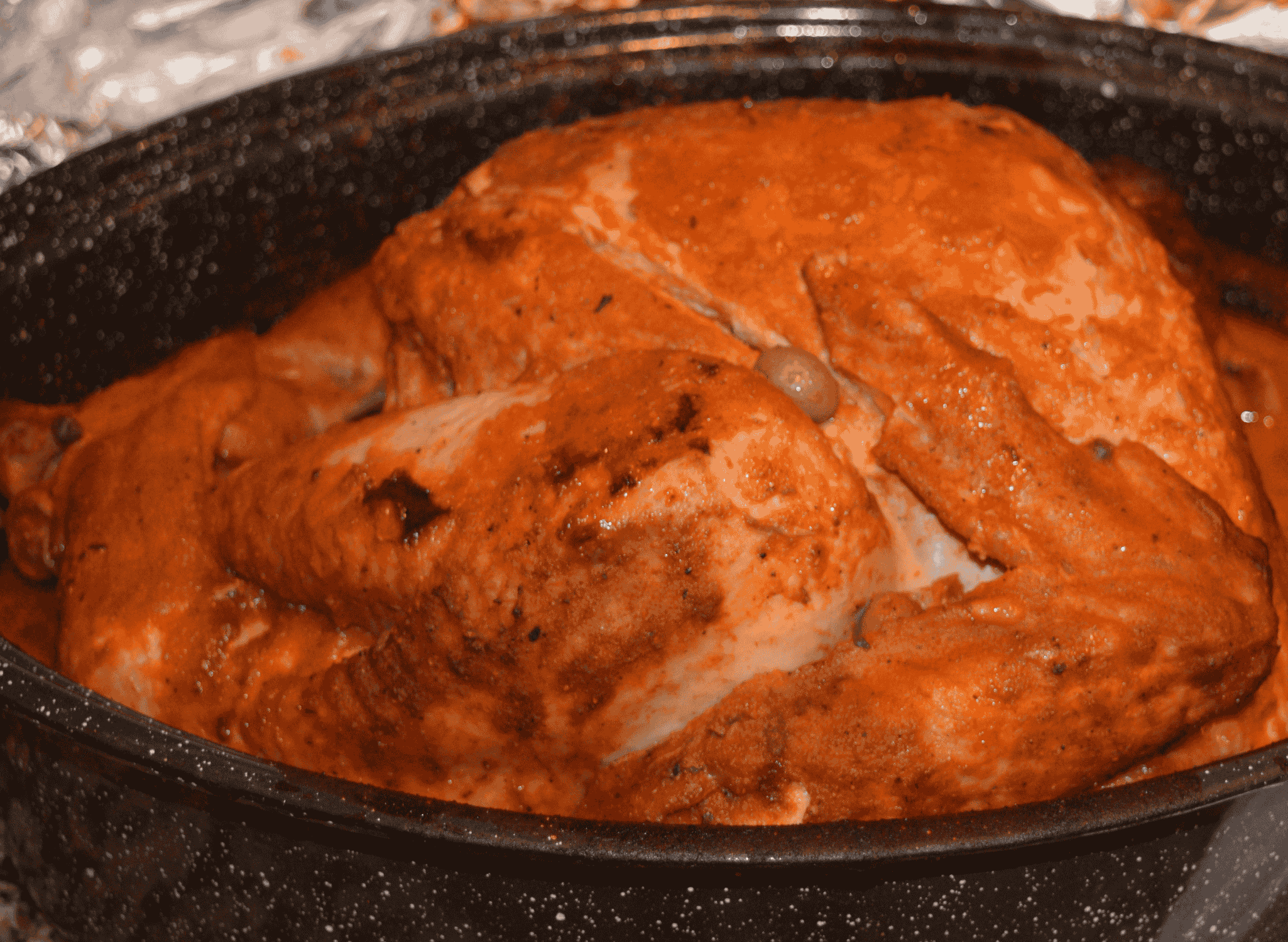
Pavo salvadoreñois turkey prepared with a richly seasoned sauce, often served for Christmas and other festive meals. Tomato, aromatics and spices give the sauce its flavour. The meat and sauce can also fill panes con pavo, a turkey sandwich with fresh vegetable toppings.
Get The Recipe Dulce de Nance (Sweetened Nance Fruit)
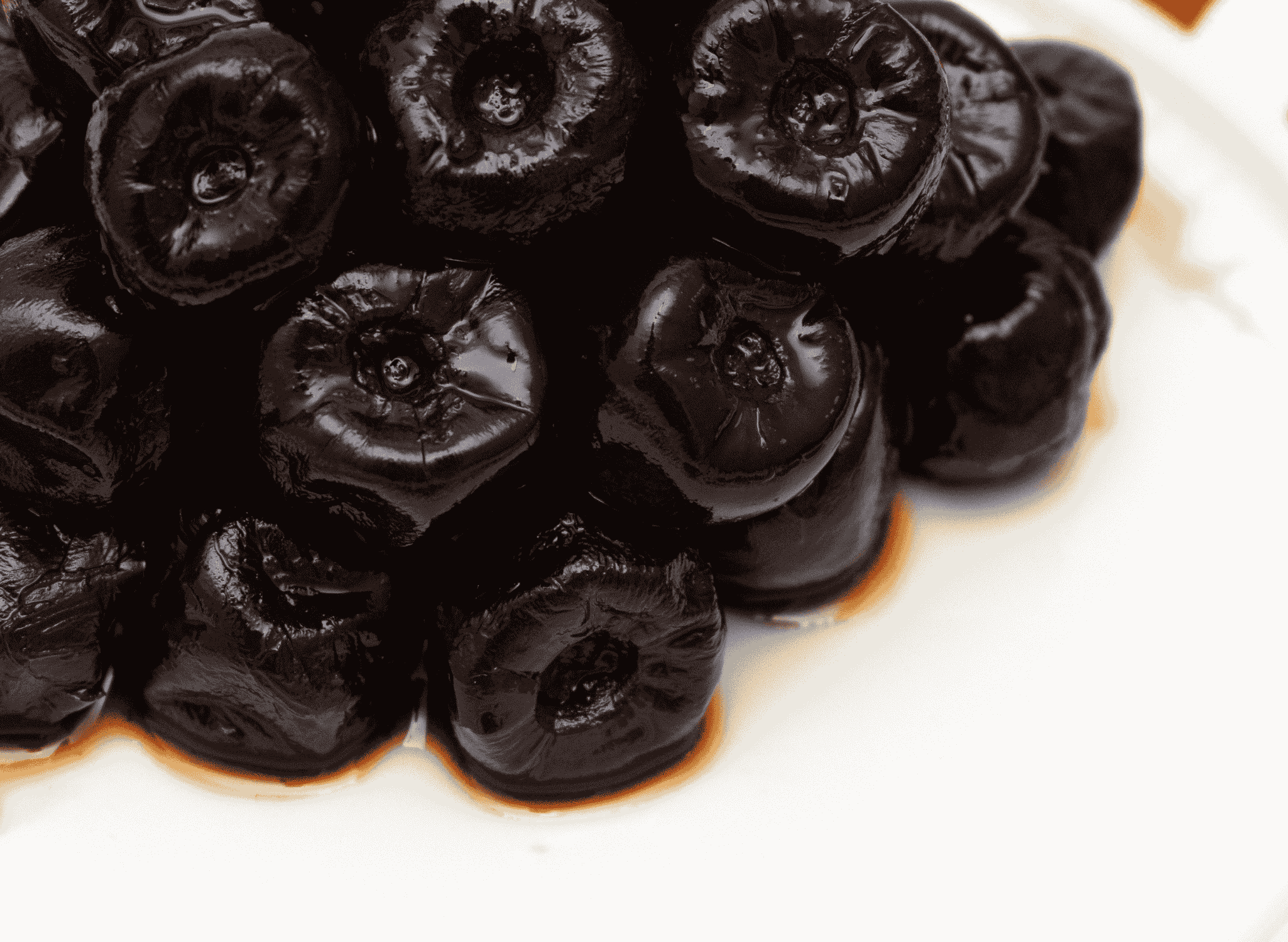
Dulce de nance is made by cooking small tropical nance fruits in sweet syrup. The fruit retains its distinctive aroma and flavour beneath the sweetness. Sugar or panela can be used for the syrup, creating a dessert in which the fruit remains the main ingredient.
Get The Recipe Leche Poleada (Sweet Milk Custard)
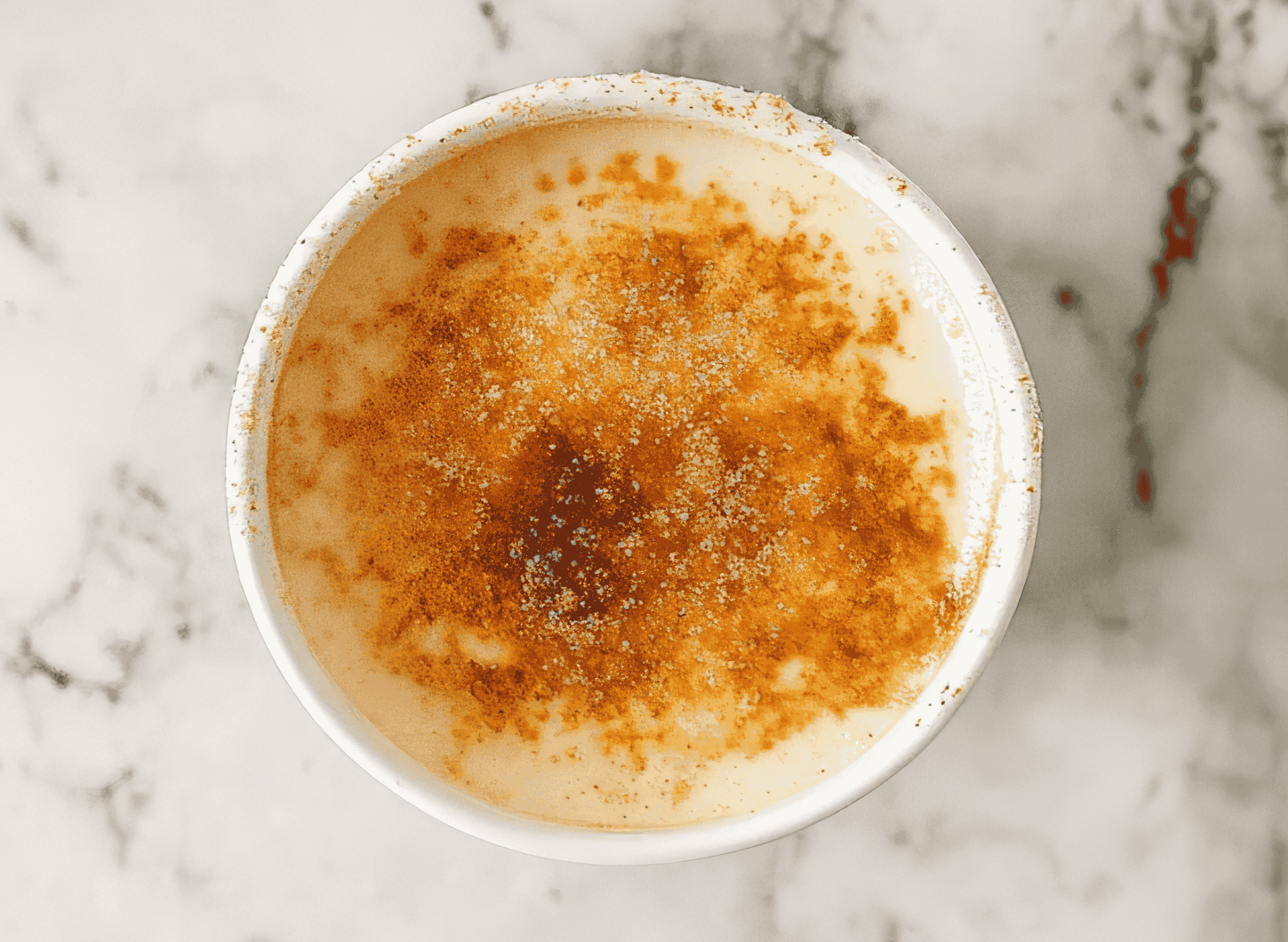
Leche poleada is a smooth milk custard thickened with cornflour and flavoured with cinnamon or vanilla. Some versions include egg yolks for extra richness. It is eaten as a dessert and also used to fill sweet plantain empanadas, giving them their creamy centre.
Get The Recipe Pupusas Locas (Stuffed Crazy Pupusas)
Pupusas locas offer a generous assortment of fillings inside a pupusa, sometimes in a larger size. Cheese, beans, meats or vegetables can appear together, depending on the seller. They are a variation of the familiar pupusa, suited to anyone who wants to try several fillings at once.
Get The Recipe Frequently Asked Questions
Is Salvadoran Food Spicy?
Many of the dishes above are savoury, sweet or tangy rather than especially hot. Chilli may appear in curtido, sauces or fillings, so the heat can depend on what accompanies your meal. If you prefer mild food, ask about the salsa and cabbage before adding them.
What Is Loroco?
Loroco is an edible flower bud used in Salvadoran cooking, particularly as a pupusa filling with cheese. It adds a distinctive vegetal flavour alongside the richness of the cheese. Look for pupusas de queso con loroco if you would like to try it.
Which Salvadoran Foods Can Be Vegetarian?
Bean or cheese pupusas, casamiento and tamales pisques are possible choices. Ask how they are prepared, as beans, dough or seasoning can contain lard or meat stock. For vegan options, also check cheese, crema, milk and mayonnaise in the dish and its accompaniments.
Which Salvadoran Foods Are Good for Breakfast?
Pupusas and casamiento are useful starting points. Casamiento can come with eggs, plantain, cheese or crema, while a slice of quesadilla with coffee offers a sweeter option. Your choice depends on whether you fancy a substantial savoury plate or something lighter.